
Impact Report 2025
CME Year in Review
Welcome




Welcome to the Center for Music Ecosystems 2025 Impact Report, summarizing our activity and impact from 1st January-31st December 2025.
We undertake empirical research, and assessing our impact in tangible terms is integral to what we do. Having published our inaugural impact report last year, we intend to develop this annually as a public-facing evaluation of our work and its outcomes.
We also want your feedback on our work; don’t hesitate to reach out if you’d like to partner with us, discuss a project or support our work in any way.
Like any charity, our goal is to work ourselves out of business. If every place leveraged music to the fullest and incorporated it into addressing the biggest challenges of our time, we wouldn’t be here. Our goal remains to make this happen and drive this change with our partners worldwide.
I also want to thank our team of consultants and board of directors for their support in 2025 and beyond, with special welcome to Thando Makhunga from Downtown Music Africa who has stepped up as Chair, and Michael Sheldrick from Global Citizen who has joined us as a new board member, as well as to our newest partners UN Tourism, UMusic Hospitality and Lifestyle, Ministry of Culture and Francophonie of the Ivory Coast, France Development Agency, The Annenberg Trust at Sunnylands and the International Finance Corporation.
Best wishes,
Shain Shapiro,
Executive Director, Center for Music Ecosystems
The numbers
We have undertaken a total of
147
case studies, interviews, and roundtables this year, broken down as follows:
MPRN
40
case studies
40
+
interviews
MEDI
48
case studies
ORCA
10
9
case studies
+
interviews
We produced research directly supporting
98
cities and countries and numerous public and private sector charities, companies, organizations, and institutions worldwide:
MPRN
20
cities
MEDI
48
cities/countries
Global Leaders Institute
30
cities
We engaged with over
268
expert music policy voices around the world
MPRN
120
MEDI
80
ORCA
18
Global Leaders Institute
50
We contributed to
43
global conferences, masterclasses, or workshops:
MPRN
20
MEDI
5
ORCA
2
Global Leaders Institute
6
Other
10
We partnered with
94
organizations:
MPRN
30
MEDI
50
ORCA
9
Global Leaders Institute
5
Core Projects & Key Organizational Achievements
The Center for Music Ecosystems had three, long-term strategic projects that constitute our core work:
Music Economy Development Initiative (MEDI)

Music Policy Resilience Network (MPRN)

Organization for Recorded Culture & Arts (ORCA)

Key Organizational Achievements
Signed a formal partnership agreement with Global Citizen
Delivered the inaugural Music Policy Assembly in Lagos, in partnership with Global Citizen in February 2025, the day before Move Afrika
Published the inaugural MEDI report, Why We Need Train Tracks Before We Can Run Trains, co-written by esteemed economist Will Page and supported by Universal Music Group
Launched Phase 3 of the Music Policy Resilience Network with five key communities
Launched MEDI at Global Citizen NOW in New York City in April 2025
Signed an MOU with UN Tourism alongside UMusic Hospitality & Lifestyle, to embed the work we're doing in music and the creative economy into how we develop, invest in, and grow tourism
Launched the 2nd ORCA report, the Economic and Social Impact of Independent Labels on December 1.

The Music Economy Development Initiative (MEDI)
The Music Economy Development Initiative (MEDI) is a partnership of some of the world’s leaders who see the potential of music in building a better future. Spearheaded by the Center for Music Ecosystems (CME) and Global Citizen, in partnership with the Universal Music Group (UMG), the International Finance Corporation (IFC), and others (see below). MEDI uses the power of music to fight global poverty and promote responsible and healthy economic development.
Music is a universal part of life. It helps us celebrate, process emotions, and relax. While music may be global, access to music as an economic good is not. 700 million people around the world are living in extreme poverty. Consequently, their lives are shortened, and health outcomes are compromised. Their access to education is restricted, as is their access to basic services. They are also vulnerable to the threat of violent conflict. Numerous tools must be employed to tackle this dreadful reality. One such tool, found everywhere, can effectively combat the scourge of global poverty. That tool is music.
Impact for 2025
Organized an inaugural Music Policy Assembly, in partnership with Global Citizen.
Launched extensive research study focused on the potential value of the recorded music in the Ivory Coast, Published the report ‘Why We Need Train Tracks Before We Can Run Trains’, outlining the need for urgent action for music copyright justice and infrastructure, co-written with Will Page.
Launched the MEDI Portal with data of 48 countries.

Presented MEDI at UN Tourism General Assembly, Unstoppable Africa at the UN General Assembly, Global Citizen NOW and other leading conferences.
Presented MEDI at the International Music Council AGM in December 2025.
“MEDI is becoming a powerful resource to better understand how to invest in music as development and how at the same time it can help fight poverty.”
— Raoul Rugamba, CEO, Africa in Colors

The Music Policy Resilience Network (MPRN)
The Music Policy Resilience Network was launched in 2023, expanding on CME’s existing work in the Faroe Islands, Greenland and Alaska to encompass, at last count, 20 remote, rural or small cities, including Homer (Alaska), Ede (Nigeria), Folkestone (UK), Galva (Illinois)m Bishkek (Kyrgyzstan), Torshavn (the Faroe Islands), Nuuk (Greenland), Whitehorse (Canada), Whitesburg (USA), St Johnsbury (USA), Gallup (USA), Gander (Canada), Mariehamn (Aland), Lerwick (UK) and Umea (Sweden). The program also grew to include online masterclasses with global experts in the most relevant areas of music and policy today.
Impact in 2025
Welcomed an additional 8 cities to the network including Cuenca (Ecuador), Ede (Nigeria), Folkestone (UK), Galva (Illinois), Homer (Alaska), Darwin (Australia), South Tarawa (Kiribati) and Princeton (West Virginia).
Hosted 10 online masterclasses with global experts in subjects including writing skills for public policy, the power of networks, music cities and music tourism and benefitting over 50 international attendees.

Published 6 in-depth research reports for the above cities on themes including venue development and resilience, and how to demonstrate economic, social and cultural impact in the community.
Presented about the project at WOMEX (Tampere, Finland), European Folk Network Conference (Terrassa, Spain), MAMA (Paris, France) and Yerevan Music Week (Yerevan, Armenia) as well as online at Culture Action Europe and for the Arts Council of Northern Ireland.

The Organization for Recorded Culture and Arts (ORCA)
The Organization for Recorded Culture and Arts (ORCA) is a first-of-its-kind think tank composed of leading independent music labels worldwide. ORCA aims to develop and promote research, data, and qualitative and quantitative evidence that underscore music's significant economic, social, and cultural value. ORCA’s founding members include a diverse array of the world’s most influential independent music labels that discovered and developed the long careers of Adele, Nirvana, Christine and the Queens, The National, Mitski, ODESZA, among other leading global music artists.
Impact in 2025
Published the second report, The Economic and Social Impact of Independent Record Labels’ in December 2025.

Los Bitchos
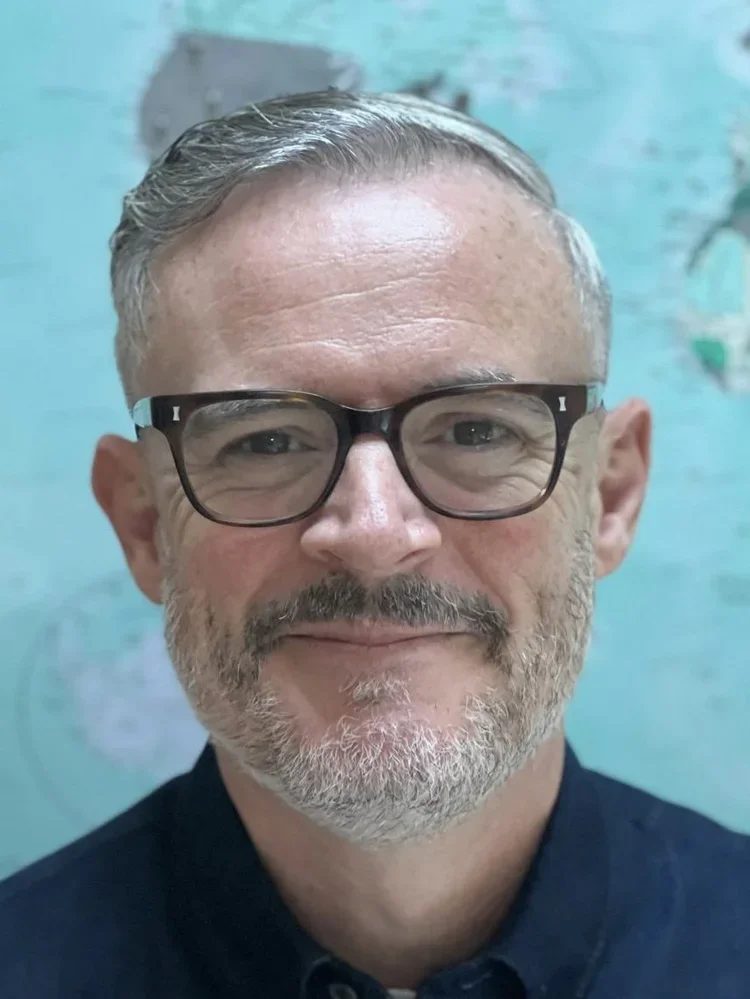
“The work CME has done in support of ORCA's development has helped establish the research and evidence base that will take forward long into the future.”
— Patrick Clifton, Executive Director, ORCA
Completed our role as the Secretariat of ORCA, handing over to Patrick Clifton, the new Executive Director.
Patrick Clifton

But that’s not all we do. We are also proud to have led the projects below with regional and educational focuses.

Global Leaders Institute
The Center for Music Ecosystems delivered the Creative Ecosystems Module for the third consecutive year as part of the Global Leaders Institute’s MBA in Arts Innovation. Across two weeks of lectures, workshops, and case-based discussions, the module engaged a global cohort of 67 creative professionals and introduced them to the tools, policy frameworks, and analytical perspectives that shape today’s creative economies. We look forward to leading this module again in 2026.
Impact in 2025
173 MBA Fellows have now completed the Creative Ecosystems Module, producing 49 policy briefs addressing cultural challenges across cities, regions, and small island states. These briefs apply stakeholder interviews, economic and demographic analysis, and comparative case research to propose implementable strategies that can strengthen local creative ecosystems.

GLI PERSPECTIVE
“The Center for Music Ecosystems delivered what has become an invaluable module of GLI’s MBA in Arts Innovation. Sessions led by Shain Shapiro, Azucena Mico, Angharad Cooper, and a range of international guest speakers gave MBA Fellows a clear view of how cultural policy works in real contexts. It’s one of the modules that most reliably broadens our Fellows’ understanding of the value that the arts can create in a given territory.”
— Pedro Zenteno, Managing Director, Global Leaders Institute
FELLOW PERSPECTIVE
“This module connected policy to practice in a way I hadn’t experienced before. Hearing directly from leaders working in the US, Europe, and Australia helped me understand how creative ecosystems function on the ground and what it takes to strengthen them. It was practical, clear, and genuinely inspiring.”
— Laura Zarta, GLI Alum

Lila Music
Lila Music is a UK non-profit focused on empowering South Asian artists & music professionals in the UK music industry. CME was part of lila’s inception alongside founding partners Elephant Music and founder Vikram Gudi, and also contributed to the research methodology for its first report – the ‘South Asian Soundcheck’ published in 2025.
The report is the first comprehensive study of South Asian music professionals across the UK. Drawing on the voices of 349 creators and industry workers, it reveals both the promise and persistent challenges faced by South Asians in music. The findings show that while talent is strong and ambition global, barriers remain systematic.
CME is proud to have helped incubate lila in 2025 and see it grow to become its own registered UK charity. We look forward to continuing to collaborate with this incredible organization as it develops.
Impact in 2025
Report included the perspective of 349 respondents.
Generated 16.5+ million opportunities to see across broadcast, trade and consumer press.
The national communications campaign delivered 25 pieces of media coverage.

Coverage included BBC Radio 1, BBC 1Xtra, BBC Asian Network, BBC Radio London, plus Music Week, Mixmag, DJ Mag, CMU, Record of the Day and others.
Survey captured wide participation from artists, executives, promoters and creatives across the UK South Asian scene.
Supported by expert interviews with key industry stakeholders.

“The data exposes what we call the progress paradox. 73% of the people we surveyed earn some money from music, but only 27% earn enough to rely on it as a sustainable career. The Soundcheck gives us the evidence to enact real change and identifies three essential needs: mentorship, representation, and investment. We encourage the wider music industry to use this data and are excited to see what solutions the community comes up with together.”
— Vikram Gudi, Founder, Lila

A huge thanks to our partners and collaborators
Music Policy Resilience Network
Nordisk Kulturfund
Levitt Foundation
Sound Diplomacy
Highlands and Islands Enterprise
Yukon Music, Whitehorse, Canada
Music Newfoundland
Cowan Community Center, Whitesburg, Kentucky, USA
Nuuk, Greenland
Torshavn, Faroe Islands
Juneau Alaska
Humlan, Umeå, Sweden
Mariehamn
Kolfest, Bishkek, Kyrgyzstan
Gallup Main Street, New Mexico, USA
St Johnsbury, Vermont, USA
Lerwick, Shetland, UK
Gander, Newfoundland, Canada
Folkestone Music Town CIC, UK
Cuenca, Ecuador
Ede, Nigeria
Homer, Alaska, USA
South Tarawa, Kiribati
Dera Ismail Khan, Pakistan
Cumberland, Maryland, USA
Galva, Illinois, USA
Middlesboro, Kentucky, USA
Music NT, Darwin, Australia
RESET Network
Live DMA
Music Cities Network
Zone Franche
Faroese Music Association
ORCA











Music Economy Development Initiative









LILA
Global Leaders Institute
Conferences




Plus
Center for Music Ecosystems Board of Trustees
c/o Pop, Cologne, Germany
Supersonic, UK Fat Out Festival, UK
Airwaves, Iceland
Arctic Sounds, Greenland
Tremor Festival, Azores, Portugal
Rainforest Festival, Indonesia
City of Girona, Catalonia, Spain
Cultuur Eindhoven, The Netherlands
Sound and Music, UK
Music Export Memphis, USA
Faroes Music Export, Faroes
Pictish Trail, UK
Kolfest International Arts and Music Festival, Kyrgyzstan
Shetland Folk Festival, Shetland, UK
Kabardock, La Reunion, France
AB, Brussels, Belgium,
Gut Level, Sheffield, UK
Gretchen, Berlin, Germany
Performing Rights Society Foundation (PRSF), UK
Manitoba Music, Canada
Edmonton Arts Council, Canada
Streetwise Opera, UK
National Academy of Social Prescribing, UK
Music Forward Foundation, USA
Upbeat Gainesville, Florida, USA
Ottawa Bluesfest, Canada
Attitude is Everything, UK
European Music Council
City of Music Shoals, Alabama, USA
Ottawa Music Industry Coalition, Ottawa, Canada
City of Monroe, LA, USA
City of Huntsville, Alabama, USA
Trempo, Nantes, France
Performing Arts Readiness – Art of Mass Gatherings
National Sawdust, Brooklyn
Music GNV
Sound Found Nation/One Beat Exchange
Crosstown Arts
Wavelengths Toronto
Music Venue Trust, UK
Confluències, Spain
International Music Council
Distritos Culturales Bogotá, Colombia
Worm, Rotterdam, The Netherlands
Freezer, Rifi, Iceland
Glad Cafe, Glasgow, UK
Unison Rights, Barcelona, Spain
Music Cities Network
Eurocities
MusicAIRE
European Union
UNESCO
SDG Action Campaign
Music Venues Trust
RiffRaff Arts Collective
Through the Noise
(A)WAKE Foundation
Zico House Beirut
Julie’s Bicycle
City of Barcelona
Suialaa Arts Festival
Cities After Dark
Trans Europe Halles
Tórshavn Kommune

What’s next for 2026?
Completion of MEDI Portal, including economic impact forecast for all African and Caribbean countries
Launch of the Music Economy Development Initiative pilot research work in the Ivory Coast and continued partnership with Global Citizen
Expansion of the Music Policy Resilience Network, including the development of US specific network
Development of a new landmark project focused on music and healthcare
Continuing partnership with the Global Leaders Institute.