
Andrea King, Director, Culture and Arts for Love and Living (CALL) (Barbados)
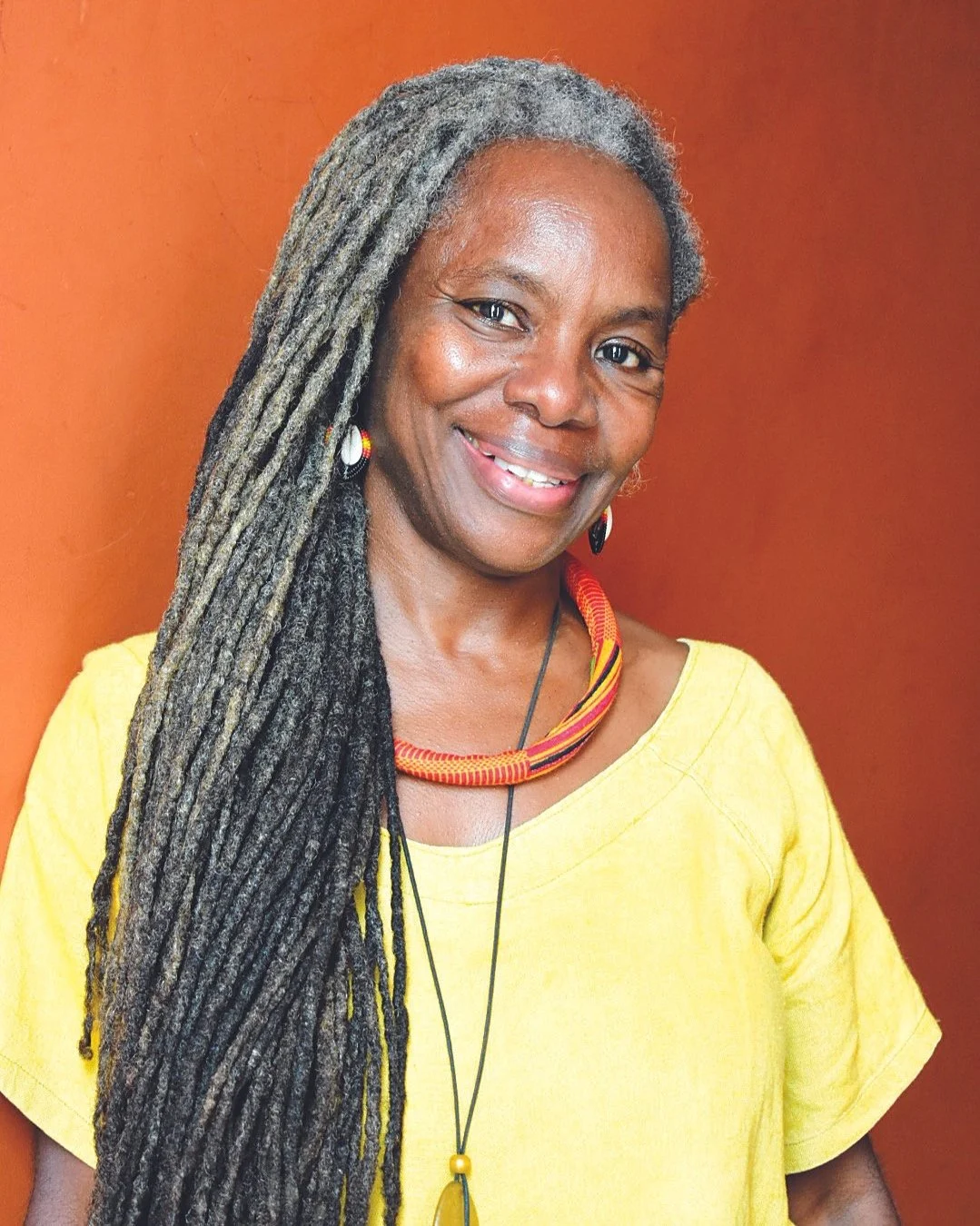
Andrea King is the Director of Culture and Arts for Love and Living (CALL), an NGO dedicated to business development, collaborative working, trade, business to business opportunities and south-south cooperation, towards advancing the creative and cultural industries in Barbados and the Global South. She is also a member of the UNESCO Expert Facility for the 2005 Convention on Cultural Diversity.
Music ecosystems. Why do they matter?
Music is the one thing we all don’t need to live, but can’t live without. Music is in us and surrounds us all the time. Even if we do not want to hear music, we can switch it off, being comforted in the knowledge that we can immediately switch in on again. Music reflects our culture, our thoughts and our feelings. Technology has made music easily available to those who have access; however, some types of music are at risk of not being heard, and no longer being played. Therefore, music ecosystems are crucial for the preservation of music practice, music recording and music publishing. Young artists in the Caribbean will assert that artists are the voice of the masses. This voice needs to be continually heard in all its varieties of origins and expressions to reflect lived experiences. A strong music ecosystem will give that voice a permanent channel.
What does the music-ecosystem future look like to you, post-pandemic?
The recent changes to the ecosystem over the past five years has laid a foundation to the post-pandemic future of music and its ecosystems. The new online distribution and performing models created because of the pandemic will continue to evolve, even as live music performances continue. This especially includes the development of, and more access by a greater number of people to, streaming platforms. The pandemic made the internet the place to go to for entertainment: for the consumers to enjoy recorded live performances or buy music; and also, for the music producers and performers to try to earn money during the disruption. As such, more attention will have to be paid firstly to how payments are received, i.e collection through the various online income streams, then to copyright infringements and how royalties are allocated via proof of ownership, as well as to developing secure distribution models. The 2018 American law called Music Modernization Act (MMA) is an example of the types of new legislation which will become necessary.
Name one other music-ecosystem builder that inspires you
From a Caribbean perspective, it’s hard to choose just one, simply because of what an eco-system is – and that interconnectivity is vital to sustain any ecosystem. However, being from Barbados I would have to choose song-writer, singer, publisher, music and event producer Lil Rick, who is a top soca artiste. Earlier I said young people see the artists as the voice of the masses. Lil Rick came from among the masses over three decades ago and his voice still truly represents the masses even today. Through his song-writing he propagates Barbadian culture, and through his music publishing and event production he employs a variety of ancillary and attendant services in a range of business sectors every year, continually proving that a career can be made in the three broad areas of the creative sector: arts and culture, design, and media, along the value chain of music publishing and event production.
What personal commitment can you make towards a world with better music ecosystems?
The Caribbean is seen as a significant contributor to the world through music: I just need to say, Bob Marley, Eddy Grant and Rihanna. Music plays an important part in our cultural industries sector. In, Barbados I helped to develop a Bachelors degree programme in Arts and Entertainment Management, and through that course the students are exposed to knowledge about the creative sector ecosystem. I will continue to teach in that course so that young entrants into the creative sector are armed with the knowledge of how creative ecosystems function, and why in a region of small island states, they are so intertwined. Our creativity is our last and biggest natural resource, and we have to learn to manage and leverage it so it contributes meaningfully to our sustainability.