
Daniela Ribas, Director, Sonar Cultural Consultancy (Brazil)
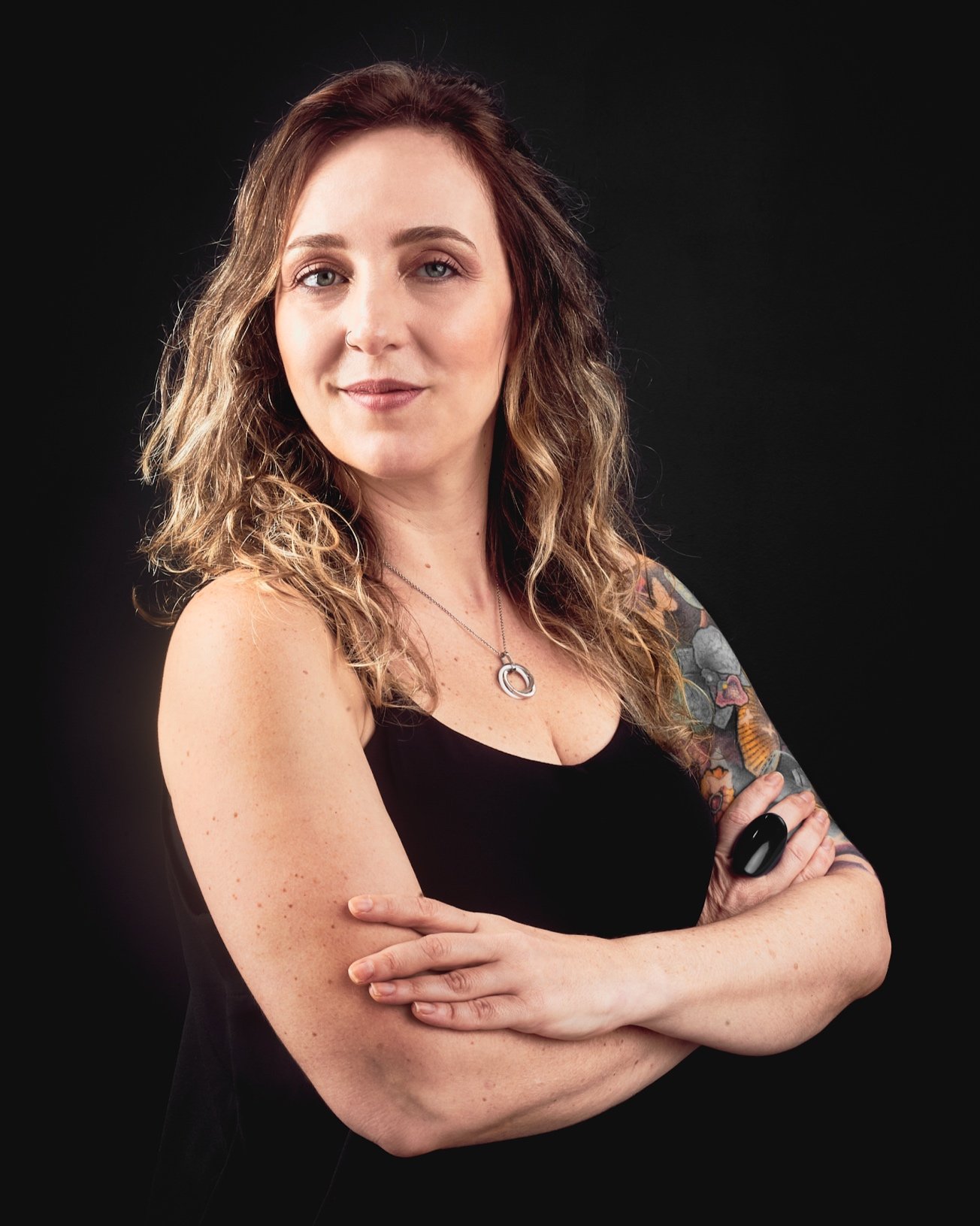
Dani Ribas is Director of Sonar Cultural Consultoria. She holds a PhD in Sociology from UNICAMP; was a consultant for UNESCO and Mercosur Cultural, and was director of DATA SIM. She teaches music business at Music Rio Academy and Cultural Management at UNICAMP. She is a consultant in music career planning and management, based on data analysis and audience behavior trends.
Music ecosystems. Why do they matter?
Ecosystems are, by definition, systems in which individuals interact with the environment and with each other. For me, their strength lies in the power of human interaction. Music transforms the lives not only of the music community, but of thousands outside it. In the case of Brazil, music has fundamental importance in the construction of our identity – and is undoubtedly the Brazilian product with the greatest value in the international trade of cultural goods. A 2018 survey mapped more than 1900 music festivals in Brazil – only possible because of the unconditional dedication of the people. The network formed by these festivals, production teams, companies, artists and fans is a vigorous ecosystem, strong and resilient – even in the aftermath of the pandemic. Music ecosystems are a fundamental part of the world we live in. In addition to their unquestionable economic strength, they are spaces in which to foster the very essence of community.
What does the music-ecosystem future look like to you, post-pandemic?
The acceleration of digital is, for me, the most visible effect of the pandemic. Metaverses, NFTs, the growth of live-streaming platforms. But just as the solution to the health crisis needs to be global – with mass vaccination at a global level – digital transformation points to the same issue: rectifying low pay for artists on streaming platforms is only possible if it is global. In my opinion, we will only reach fair remuneration with transparency. There are also positives in this post-pandemic world: I think the future of music will be shaped by artists who sustained establish genuine and lasting relationships with their audience during the period of isolation. I struggle to qualify the market in this sense, because relationship with the public is not just about marketing tools – it is to understand the cultural universe of the audience, and there are more and more artists awakening to this vision.
Name one other music-ecosystem builder that inspires you
I’ve been working in the music business for 23 years and I know a lot of people. In Brazil there are hundreds of people I could mention – it would be unfair to name just one. But the person who is perhaps unanimous among them all is Pena Schmidt, who has done everything in music and is now “just” a master. But the most inspiring people I've been around in recent years are the women of SateliteLat, a network of Latin American women fighting for gender equality at fairs and festivals. I cannot fail to mention the work of Paula Rivera (Argentina), Noela Salas (Chile), Ana Rodriguez (Mexico), Milena Garcia (Colombia), Fabíola Pazmiño (Ecuador), Ceci Moltoni (Dominican Republic), Pamela Ruiz (Paraguay) in that network. The strength of these women inspires me every day.
What personal commitment can you make towards a world with better music ecosystems?
As a scientist my mission is to investigate the social processes that involve cultural production. In addition, I am a teacher, professional speaker and consultant. I work to qualify and develop the work of artists. I spend 12 hours a day on this every day. My personal commitment is to help artists map, segment and engage audiences using sociology and data analysis. For this I created the ID_MUSIQUE method, based on my doctoral thesis on criteria of legitimacy in Brazilian popular music (2011). I came to the world to share what I learned, this is my commitment – what honors me and makes me a happy person.