
Em Ekong, Business and Economic Development Consultant, Urban Inclusion Community Ltd (UK)
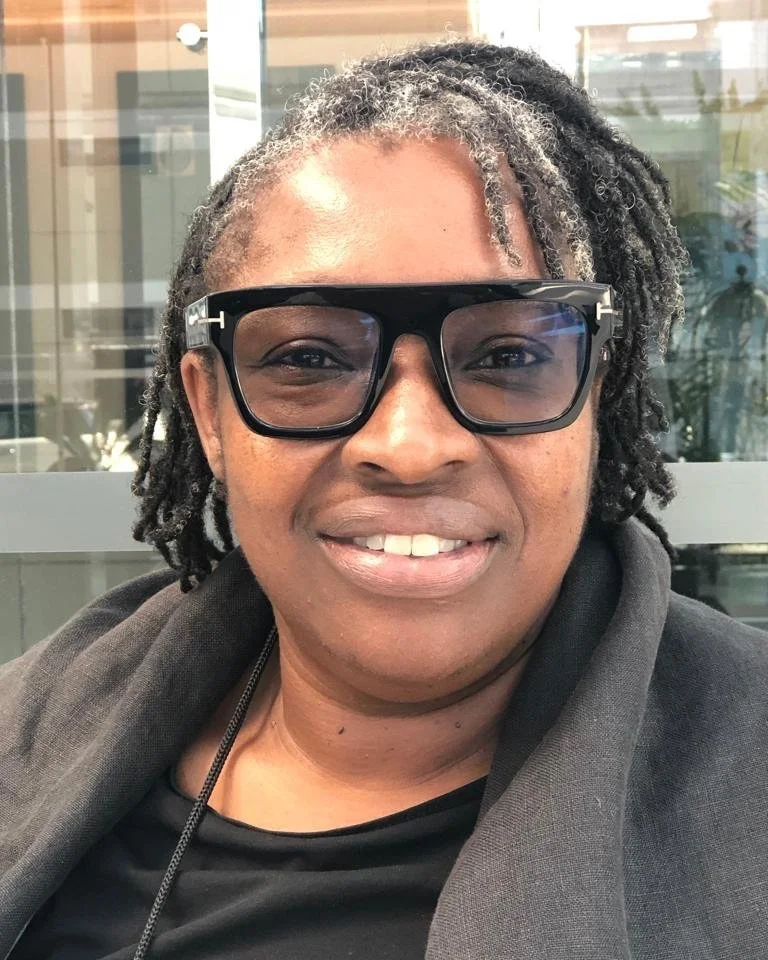
Em Ekong has over 20 years experience in London and across Africa, working closely with intergovernmental and government institutions on the continent like UN Women, the United Cities and Local Governments for Africa, and cities including Lagos and Accra, to transform and improve the quality of life for its citizens through advocacy and lobbying and strategic development.
Music ecosystems. Why do they matter?
Strong music ecosystems matter as they can drive economic value and sustainable development. Music connects people; builds bridges; fosters peace and celebrates unity. There is no street or neighborhood in any major city in West Africa where you won’t hear music booming from shops, bars and stalls. Music defines us and its ecosystem has the potential of generating social, cultural and economic benefits. By supporting musicians we can contribute to the alleviation of poverty by fueling job creation, economic growth, tourism development, artistic growth, and strengthen a city’s identity. So strong music ecosystems matter immensely, but there is a missing link in the region as it must provide viable ways for revenue generation for highly skilled young workers from many creative sectors for whom quality of life is a priority. In order to address this missing link for African cities, we must support the development of the music sector and its ecosystem.
What does the music-ecosystem future look like to you, post-pandemic?
The music sector in sub-Sahara Africa is growing at an expediential rate, and the digital revolution will provide several leapfrogging opportunities for the region. But before we engage in the conversation regarding digital transformation, there remain challenges that have been exacerbated further during the COVID-19 pandemic. For cities like Lagos and Accra, where our work is focussed on creating a truly functional music ecosystem and to coin the phrase “build back better” we must cover a few fundamental issues. These include, data – the first and most crucial point for cities and local governments is to understand what is on the ground and what projects and businesses are operating there. And secondly, an enabling environment – including the formulation of crucial policies that will enable musicians to do what they do best: make music. They must have access to training and education programs, mentoring, music hubs or incubators as well as affordable housing that can help attract and retain musicians, many of whom have very little income at all on the continent.
Name one other music-ecosystem builder that inspires you
There are so many individuals and projects that inspire me, but the ecosystem builder that has inspired me the most is Michelle McKenzie who works with me at Urban Inclusion Community, in West Africa – where women in music are virtually invisible. She has been working tirelessly on the ground with music networks, groups and associations to encourage and support stakeholders to use a gender lens when working in the creative and cultural sectors to drive forward the agenda in West Africa.
What personal commitment can you make towards a world with better music ecosystems?
I have worked in the Local Economic Development space for over 20 years in the UK and in the last 10 years in Africa. In 2019, I committed my time to working with the music and creative sector to drive development, job creation and entrepreneurship and have helped set up and fundraise for women only business accelerators and several new starts and MSMEs operating in African cities including Lagos and Accra.
I also commit to working closely with the Center for Music Ecosystems to drive the music value agenda in West Africa, as well as working closely with a small network of diaspora women investors from the UK and Europe to use remittances to drive investment in the sector to support women entrepreneurs including women in music.