
Dr. Michael Seman, Music Professor, Colorado State University (United States)
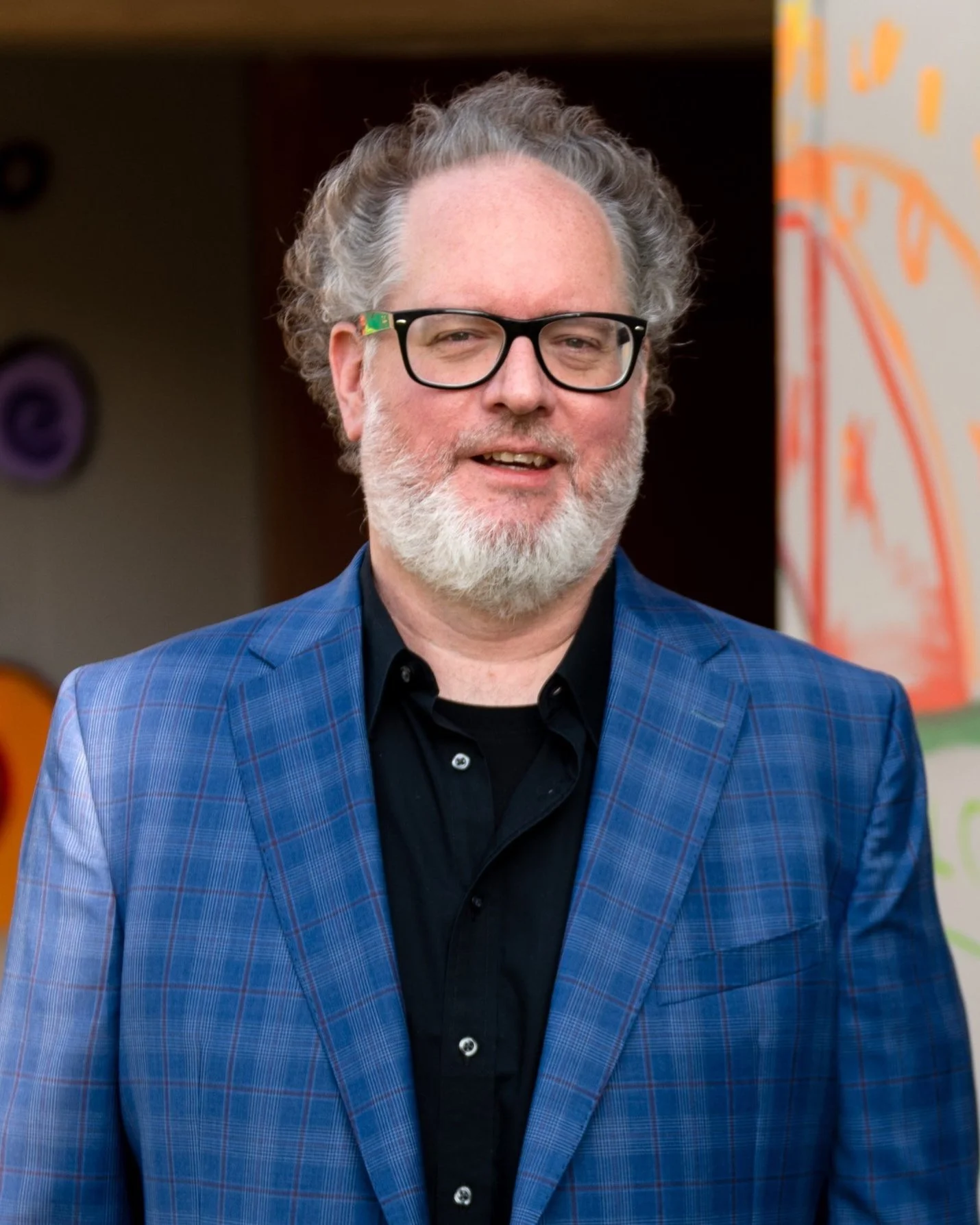
Dr. Michael Seman is an assistant professor of arts management at Colorado State University. Michael’s work examines issues in the creative economy and focuses on how music ecosystems and regional growth intersect. The New York Times, The Washington Post, The Wall Street Journal, NPR, CNN, and regional media outlets often seek Michael’s perspective and insights. His work is published widely and most recently by the Brookings Institution.
Music ecosystems. Why do they matter?
Music ecosystems foster community development, economic development, and artistic development within regions. At its core, music helps society understand and interpret the human experience, but music ecosystems can also launch careers, drive entrepreneurship, form life-long social bonds, attract and retain highly-skilled talent, and much more.
What does the music-ecosystem future look like to you, post-pandemic?
Like a party waiting to happen. We have now experienced what it is like to be without live music for almost two years. Shows will resume with vigour and everyone will be touring. This won’t be without problems as vaccines are not standard worldwide and there will be starts and stops, but ultimately, artists will get back to what they do best and audiences will be eager to support them. There will still be substantial challenges with streaming and how artists are paid, so it’s not all perfect, but definitely heading in the right direction.
Name one other music-ecosystem builder that inspires you
Not one… but two. Lisa Gedgaudas in Denver, Colorado and Kate Becker in Seattle, Washington are tireless supporters of their respect music ecosystems. Often what they do is not exciting by any means, as it is A LOT of bureaucracy, grant writing, administration, etc., but their commitment to the music ecosystems in their metropolitan regions is unparalleled in the United States. Both have extensive backgrounds as music ecosystem participants who made things happen for years and then crossed-over into formal government roles. They’ve stayed true to their DIY roots and use their platforms to continue their work.
What personal commitment can you make towards a world with better music ecosystems?
My entire life is dedicated to this goal, but in the short term, I will see that band and I will buy their T-shirt so they can make it to the next city. We all should.