
Joan-Albert Serra, Music and Education Consultant and Researcher (London, UK)
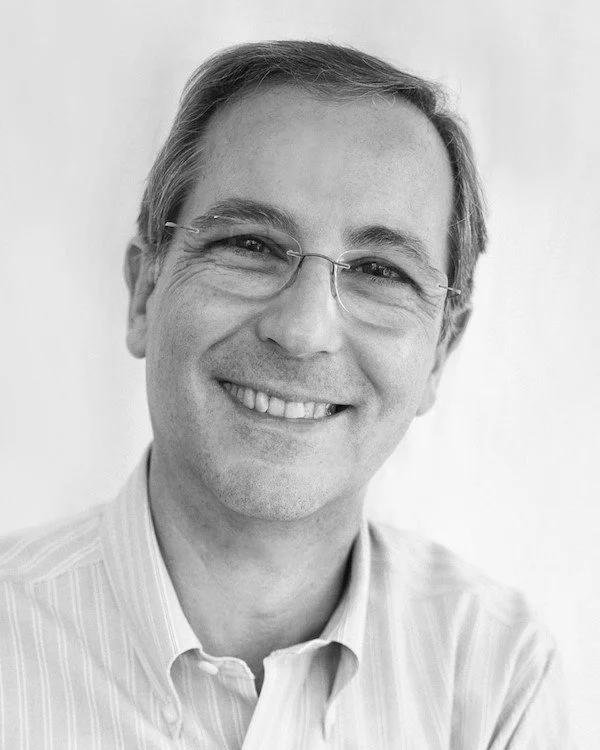
Joan-Albert Serra began as a performer and composer, but soon developed a real passion for music education and the promotion of music’s transformative power and capacity to foster intercultural empathy and understanding. This has been the inspiration for his extensive international career as a leader of music education institutions and programmes, consultant, researcher, teacher, lecturer, curriculum designer, writer and producer.
Music ecosystems. Why do they matter?
Thriving music ecosystems are networks of creative and dynamic relationships that incorporate all the people and organisations that make music activities possible: music professionals (performers, composers, educators, producers, managers, technicians…); venues and cultural centres; education institutions; audiences and participants; local communities; music and creative industries; the cultural sector; public administrations; policy makers, etc.
Music can have a positive impact in society, thanks to its social, artistic, cultural and economic values, but to do so we need to develop diverse and inclusive music-ecosystems, where everybody contributes to and benefits from them. It’s crucial to create local music-ecosystems, where artists and music professionals build close relationships with audiences and communities, as well as being connected to wider networks at a regional, national and international level. To be relevant, these ecosystems must include all musical cultures, genres and manifestations, and celebrate and support the rich musical diversity of today’s cities.
What does the music-ecosystem future look like to you, post-pandemic?
The pandemic has shown that digital technologies and the internet offer the possibility to share, distribute and listen to music from anywhere in the world, but it has also highlighted the need and desire of people to directly experience live events. International touring has become complex due to travel restrictions and there is an increasing consciousness about the need to develop more eco-friendly approaches to musical activities. I believe that this offers an opportunity to create more sustainable local music-ecosystems, including hybrid events (face-to-face and online). It requires better networks of venues and performance spaces that are easily accessible for the local communities and offer musicians and music professionals the possibility to develop and sustain their careers with a higher percentage of activity within their cities and neighbourhoods. Strong local music-ecosystems, interconnected nationally and internationally, offer new opportunities for music to extend its transformative power.
Name one other music-ecosystem builder that inspires you
Christopher Small’s concept of “musicking” has been an inspiration for many of the projects I’ve been involved with, and it’s essential to understand the relational nature of thriving music eco-systems. He believes that music should be viewed as an activity, “musicking”, and not an artefact, and argues that “the act of musicking establishes a set of relationships, and it is in those relationships that the meaning of the act lies. They are to be found not only between those organized sounds... but also between the people who are taking part, in whatever capacity, in the performance.”
An excellent example of this approach is the Sage Gateshead (UK), an iconic music centre that made a great contribution to the cultural, social and economic regeneration of the city and its region, through an extensive programme of concerts and participatory activities. I was involved in its creation, leading the specialist music education scheme.
What personal commitment can you make towards a world with better music ecosystems?
I’m promoting and looking for partners for “Intercultural Music Dialogues”, a project I believe can make a positive contribution to the development of more inclusive and diverse music-ecosystems. Its mission is to:
Celebrate and raise awareness about the UK’s, and other countries’, rich and diverse musical cultures, genres and traditions
Foster cross-cultural music dialogues and creativity
Promote intercultural music education and participation at all levels
Support musicians from different ethnic, gender and cultural backgrounds to create their artistic projects, and develop strategies to engage new and diverse audiences
Promote cultural empowerment by encouraging and helping minority, immigrant and refugee communities to value their musical cultures and reconnect with them
Encourage research and debate addressing the issues and topics related to the project: diversity, inclusion, interculturality, identity, intersectionality, empathy, etc.
Advocate for changes in strategies and policies in the culture, arts and education sectors to support the project’s mission.