
Matthew Ché Kowal, Co-Founder of Majestic Collaborations (USA)
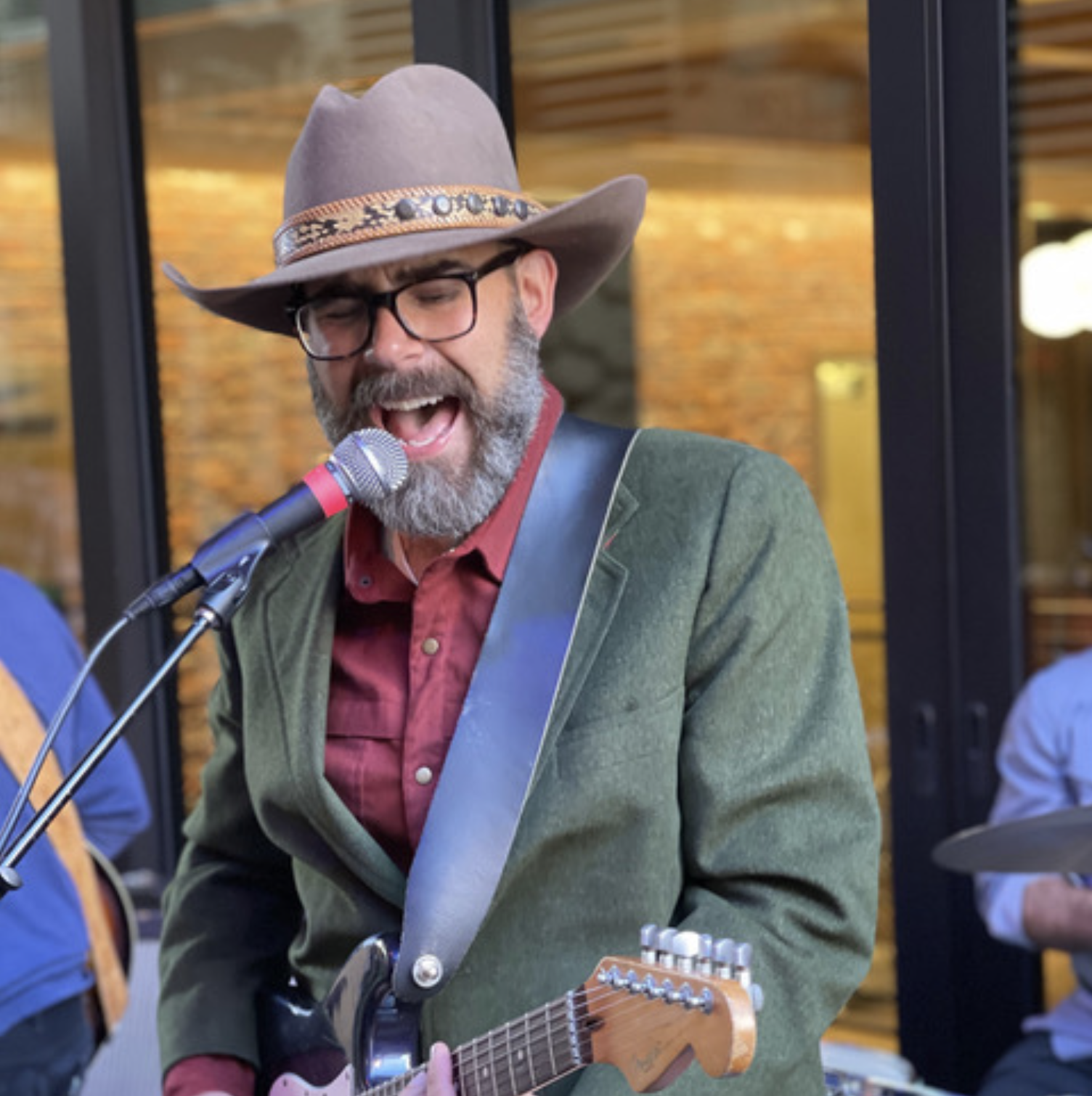
Matthew Ché Kowal is the Co-Founder of Majestic Collaborations, a consultancy that partners with governments, non-profits, and performing arts organizations to integrate emergency preparedness into their planning and community roles. Their signature initiative with Performing Arts Readiness, The Art of Mass Gatherings, includes symposiums, podcasts, and curricula designed to use community events as experiential learning opportunities for crisis and disaster preparedness. Through webinars, venue assessments, collaborative asset mapping, and master planning, Majestic Collaborations helps clients secure infrastructure funding, provide essential services, and develop cross-cultural, interdisciplinary resilience networks and workforce programs.
A seasoned professional in music, festival planning, and emergency management, Matthew is also a singer and songwriter for The Reals. He co-wrote and will teach the forthcoming Arts Emergency Management graduate certificate course at the University of Kentucky and played a key role in the Denver Music Strategy with Lisa Gedgaudas. His work has earned him an Emmy nomination and features in FEMA's Inspiration Book: Arts and Experiential Learning. Matthew has led over 100 music, comedy, and bicycle festivals, raising $5 million for advocacy and pioneering sustainable festival practices. Alongside his partner, engineer Molly North, and a dear rest team of luminaries at Majestic Collaborations, they consult with cities and venues to build multi-modal infrastructure, water and power for both events and emergencies, reducing the need for gas generators.
What does the music-ecosystem future look like to you?
I envision a future where music ecosystems serve as networks of resilience hubs, with venues and people ready to support communities during emergencies. Cross-training arts, cultural, and event (ACE) workers will ensure these spaces can support communities during disruptions. Venues and individuals will play dynamic roles in the community, enhancing resilience through practice and improvisation. Music, like cooking, should be accessible to everyone, fostering personal and communal well-being without fear of inadequacy. I hope when leveraging music for social progress is important, we are cautious with policies to avoid creating technocratic dystopias. The music economy is inherently unpredictable, and we will respect the organic nature of protests and celebrations.
Name one other music-ecosystem builder that inspires you
I am inspired by several leaders in the field, including Tom Clareson of Performing Arts Readiness, Janet Newcomb of NCAPER (National Coalition for Arts' Preparedness and Emergency Response), and my colleagues at Majestic Collaborations—Molly North, Jenny Filipetti, Jessica Wallach, and Bertrand Evans-Taylor. Their dedication to integrating arts readiness into broader cultural and emergency management practices, along with their focus on accessibility and community engagement, is truly motivating.
What personal commitment can you make towards a world with better music ecosystems?
I am committed to keep learning, teaching, and continuously improving the practices that support sustainable and resilient music ecosystems. I will keep playing music, and want to write an album someday that boils down this chit-chat into the sweet molasses of song.