
Samm Farai Monro, Creative Director, Magamba Network (Zimbabwe)
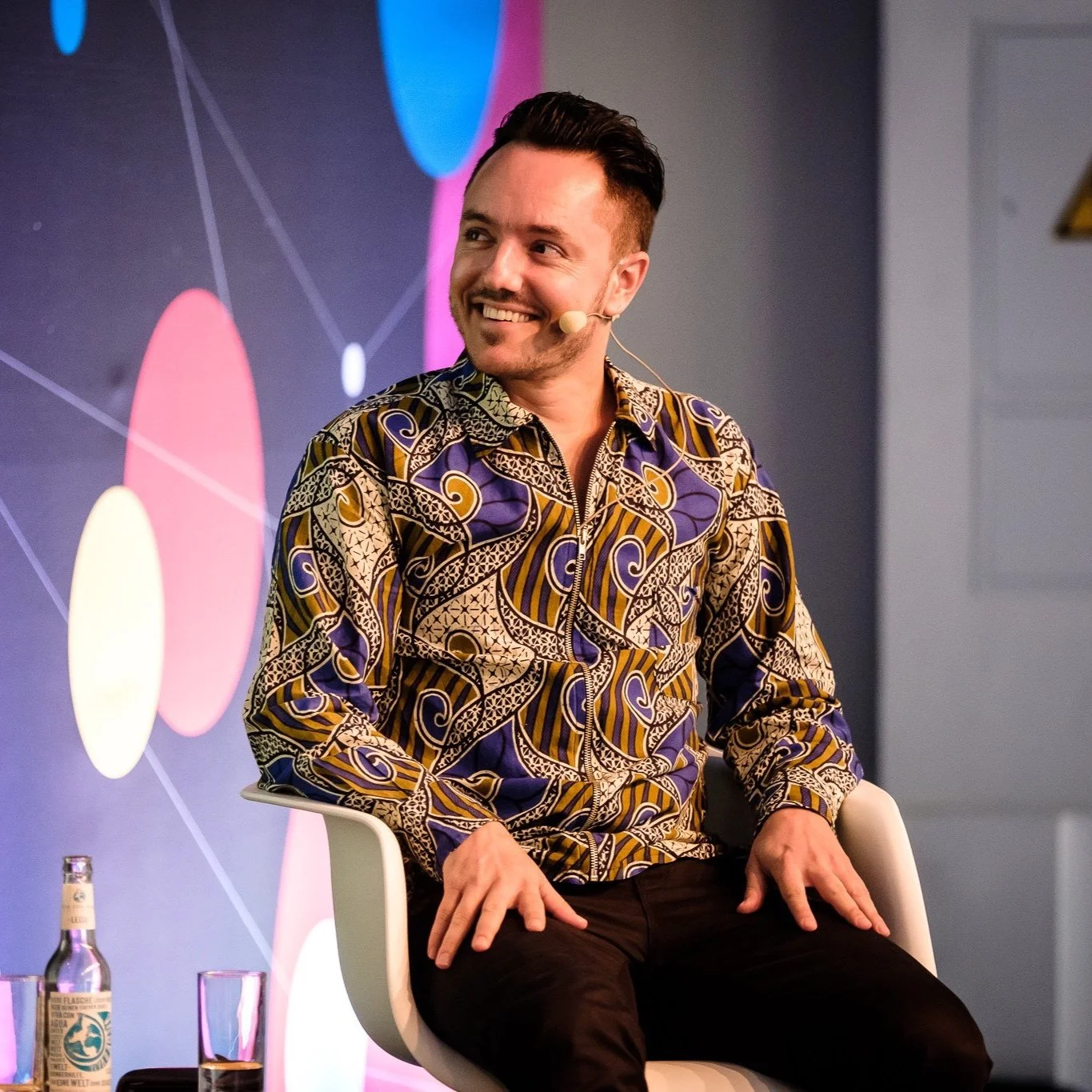
Samm Farai Monro AKA Comrade Fatso is one of Zimbabwe’s urban culture pioneers whose work has had a major influence on the country’s hip hop, spoken word and comedy industries. Comrade Fatso is founder of Magamba Network, one of Zimbabwe’s most dynamic organizations working on the cutting edge of culture, media, activism and innovation.
Music ecosystems. Why do they matter?
They matter hugely, looking at the example in Harare where we work there is a huge importance looking at the interconnectedness of festivals, of music venues, of promoters. Harare is an example of a city that has gone through a lot of economic and political turmoil but the music scene still remains thriving despite it all. And that is very much down to the fact that there was quite a strong music ecosystem in place before our political and economic trouble started in late 90's. Despite everything, Harare has got a good live music scene and an audience that really appreciates live music.
What does the music-ecosystem future look like to you, post-pandemic?
I think what is interesting to see, looking at it from the African perspective, is of course the rise of virtual gigs and concerts the happened so much throughout the pandemic and I think the shift that we have seen in Zimbabwe, in Southern Africa, is an audience that is more receptive to online shows which was definitely not the case pre pandemic. So the new appetite for online shows and virtual gigs actually brings some interesting diversity to the current music ecosystems.
Name one other music-ecosystem builder that inspires you
Someone who does a great job in Zimbabwe is Walter Wanyanya – a musician and music promoter – he’s managed bands before and is also a festival director. He recently launched his Jacaranda Festival a few years ago which has become a very popular festival, and at the festival they hold talks about the music business. Walter is quite an all round important incubator of the music ecosystem in Harare. Another great music eco-system builder was the late Paul Brickhill founder of the iconic Book Cafe venue in Harare. The Book Cafe groomed so many young musicians, provided platforms for alternative genres and bravely supported free expression in a country with very little of it. Paul Brickhill played a seminal role in the careers of so many artists, sound engineers, creative service providers and musicians that I know today.
What personal commitment can you make towards a world with better music ecosystems?
I think the personal commitment that I make through my work is being able to really be a provider of platforms and incubation to new artists that are coming up in the scene in Zimbabwe. What we are trying to do is provide different levels within the process of supporting ecosystems, so providing platforms, identifying artists and booking them for festivals – providing them with support for studio space to record music videos. Then beyond that it is about publicising and sharing the music they are producing – booking them for festivals and tours in Southern Africa, the African continent and beyond.