
Paolo Petrocelli, Director General, Stauffer Center for Strings (Cremona, Italy)
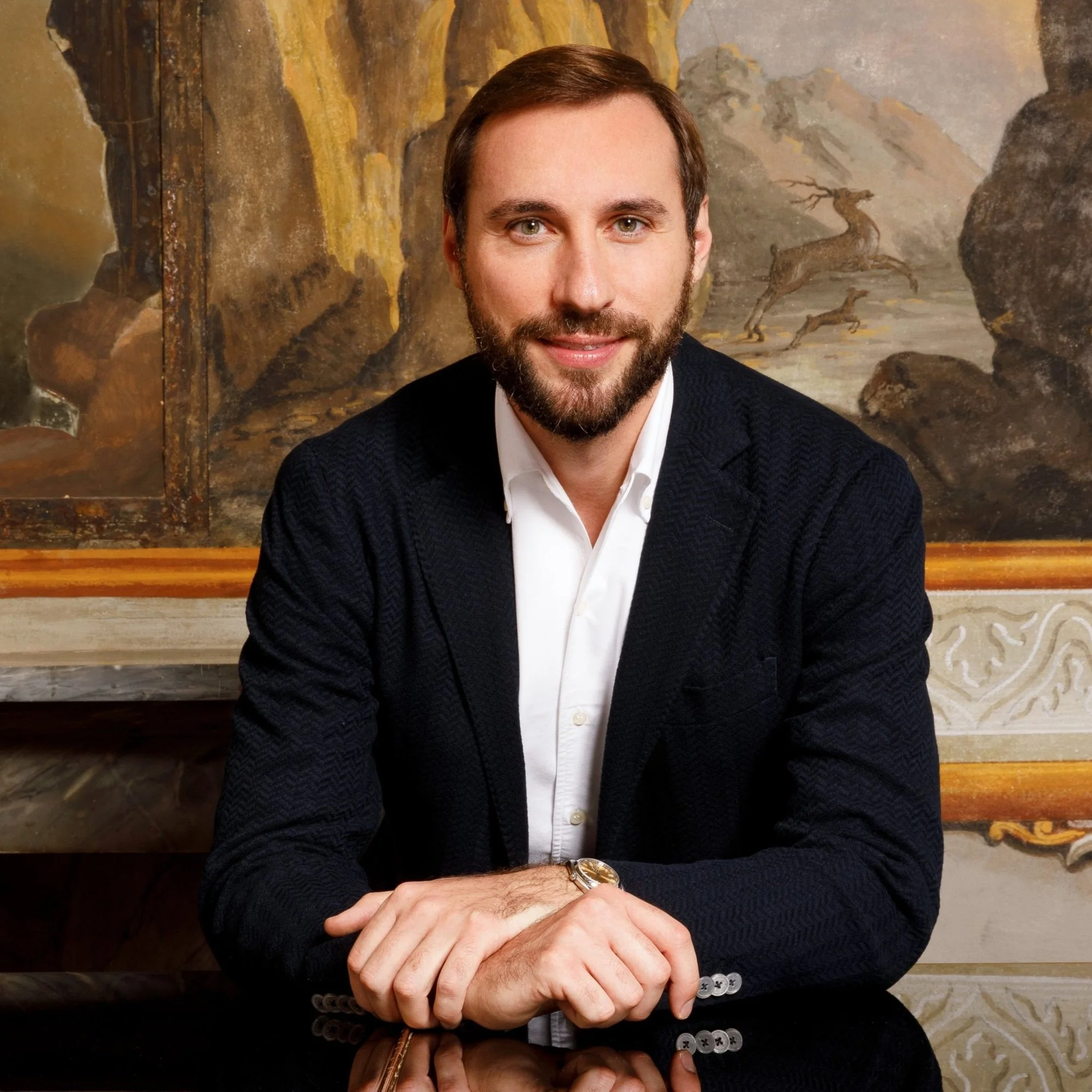
Paolo Petrocelli is cultural manager driven by the belief that culture, arts and education are a major force for growth, development and change globally.
He is the Director General of the Stauffer Center for Strings in Cremona, the first international music centre entirely dedicated to string instruments, and the Founder and President of EMMA for Peace (Euro-Mediterranean Music Academy), international non-profit organization for the promotion of music diplomacy between Europe and the Middle East.
Music ecosystems. Why do they matter?
It is time to affirm the centrality of music ecosystems as a funding element of thriving and vibrant contemporary societies and global communities. A functioning, healthy, well-organized music ecosystem generates an extraordinary tangible and intangible value, connecting through the power of creativity all the main strategic areas of social development: education, economy, politics.
Raising the identity itself of a city, if not of an entire country, by empowering its music ecosystem on local/national level can lead to lasting social and economic benefits.
What does the music-ecosystem future look like to you, post-pandemic?
I believe the ideal music ecosystem of tomorrow should be based on a renewed balance between urban development, environmental sustainability, innovation and preservation of cultural heritage.
From the music community point of view, we need to redefine in a much more structured way the fundamental processes that organize and regulate the entire supply chain of the industry, reactivating fluid interconnections at every level of society, working along with the civil society, the private sector and governments. A music ecosystem is not just about music.
Name one other music-ecosystem builder that inspires you
Over the last years, I’ve been working in Cremona (Italy), one the most iconic music cities in the world. The music ecosystem of the so-called City of Violin is one of a kind. Birthplace of Claudio Monteverdi and Antonio Stardivari, Cremona is a town of 70.000 inhabitants where you can find: an opera house, a concert hall, a musical instrument museum, a music conservatory, an international higher music education academy, a faculty of musicology, a professional institute of lutherie, 200 workshops of master luthiers, hosting city of one of the largest music exhibitions in the world for high quality musical instruments. Such a unique music ecosystem anchored to the past and projected into the future. In my opinion, Cremona is real leading model for all the historical small cities around the world who are dealing with the challenge of preserving their artistic and musical heritage while innovating their fundamental cultural identity.
What personal commitment can you make towards a world with better music ecosystems?
As a cultural manager, academic and global active citizen, I strongly believe in the importance of preparing the next generation of professionals to be ready to deal with new major challenges. If we want to contribute to the creation of better and sustainable music ecosystems for tomorrow, we, members of the international music community of today, need to lead by example involving young professionals in sharing new ideas, concepts and approaches to meet future challenges of the industry. It’s about educating, while innovating. Rethinking, while engaging. Building, while dreaming.