
Solomon Gwerevende, Ethnochoreomusicologist, Intangible Cultural Heritage Expert and Cultural Activist (Zimbabwe)
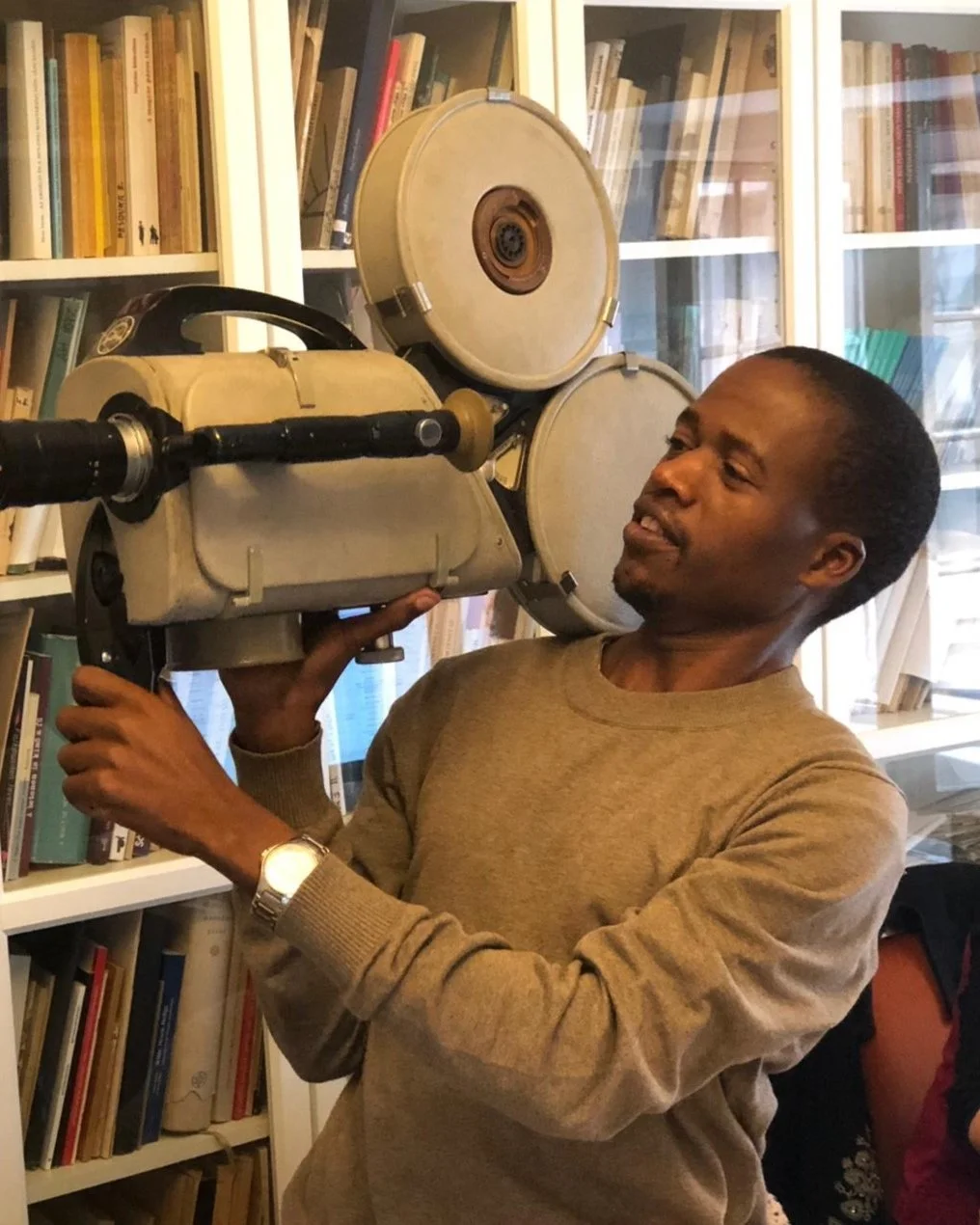
Solomon holds an International Master’s Degree in Dance Knowledge, Practice and Heritage jointly offered by the Choreomundus Consortium, which comprises the University of Clermont Auvergne, France, Norwegian University of Science and Technology, Norway, University of Szeged, Hungary and University of Roehampton, United Kingdom. He also holds a Master of Arts in Ethnochoreology from the University of Limerick, Ireland. Currently, he is a PhD candidate in Applied Ethnomusicology at Dublin City University in Ireland. His research interests lie in indigenous dance and music heritage sustainability.
Music ecosystems. Why do they matter?
From a Zimbabwean indigenous perspective, I see the music ecosystem as the interconnectedness of musicians, dancers, community members, audiences, musical and non-musical elements, living and non-living beings in the production and performance of musical arts for community sustainability summed up in the philosophy of ubuntu/unhu. As a code of ethics and social relations embedded in indigenous cultures, ubuntu/unhu seeks to honour the dignity of each person and is concerned with the development and maintenance of mutually affirming and enhancing relationships. Therefore, the music ecosystem matters because it fosters sustainable development (economic, social, and ecological) artistic (singing, dancing, drumming etc.) development. The music ecosystem’s central role is to sustain the individual and community’s needs in a bioregion. It also helps community members understand their relationships with each other, the environment, and the dead, who are believed to be living in the spirit world (vari kumhepo in Shona). Musical arts ecosystems can also be used as a creative cultural industry for the sustenance of the livelihoods of its practitioners.
What does the music-ecosystem future look like to you, post-pandemic?
The recent advancement in technology, mainly recording equipment, for example, video cameras and online social media platforms such as Facebook, YouTube, Instagram etc., has created and prepared crucial stages for the post-pandemic future of the music ecosystem. The online performances, packaging, distribution and consumption platforms and models that gained widespread popularity because of the pandemic will continue to support musical arts ecosystems. The platforms are being used for uploading recorded performances and streaming live performances. The pandemic popularised online distribution and live streaming platforms as components of the music production and consumption ecosystem. These platforms help in the safeguarding, transformation, and distribution of music ecosystem outputs. The online platforms also act as stages for entertainment and experiencing music and associated artistic expressions such as dance. However, the digitisation of musical arts also creates challenges such as the misappropriation of music or other people’s intellectual property. As a result, there is a need for copyright infringements and to institute sustainable musical distribution models. Therefore, laws such as Indigenous Music Digitisation Act (IMDA) should be created to protect indigenous musical arts property rights against misappropriation.
Name one other music-ecosystem builder that inspires you
As an indigenous music practitioner and ethnochoreomusicologist, I have been inspired by Phillip Kusasa, the founder and director of the Ndau Festival of the Arts (NDAFA). NDAFA is an indigenous community-based organisation in Chipinge district in Manicaland province of Zimbabwe, focusing on safeguarding and adapting Ndau indigenous musical heritage and other artistic expressions for social, ecological, and economic sustainability. Phillip Kusasa set up the organisation in response to the realisation that many rural communities are cut off from the top-down government models of arts sustainability and from the possibility of using intangible cultural heritage to address climate change-related problems such as floods and drought. His organisation’s agenda is to use musical arts (theatre, poetry, painting and storytelling) to address climate change issues. The local communities use musical knowledge and other artistic elements to create community-based solutions to environmental, social, and economic challenges. With the help of researchers, cultural policymakers, and environmentalists, and under Mr Kusasa, the Ndau community has developed programs on reforestation and established a resource centre where communities can access green culture information and the place for annual festivals on green culture. Finally, the Ndau community members are working to break down the economic and cultural barriers to behavioural change towards sustainable living, for instance, shifting away from the traditional energy source of wood to solar.
What personal commitment can you make towards a world with better music ecosystems?
As an indigenous musical arts practitioner and ethnochoreomusicologist, my agenda is to advocate for indigenous communities’ adaptive use of indigenous musical heritage to achieve United Nations 2030 sustainable development goals at a local level through research, safeguarding initiatives and policy advocacy. I am currently doing a PhD in applied ethnomusicology on a topic focusing on the use of Muchongoyo musical heritage for the sustenance of its practitioners’ livelihoods. One of the expected outcomes of my doctoral studies is the establishment of a Research Centre for Musical Heritage Sustainability in Southern Africa. The main goal of the Research Centre is to provide robust and peer-reviewed evidence-based knowledge on indigenous musical arts ecosystems to help define music sustainability and deploy the knowledge in indigenous communities for sustainable development. Finally, I am committed to decolonising indigenous musical knowledge, practice and heritage and making it visible, appreciated and used to address social, ecological, and economic problems.